You've heard of Pu'er (or pu'erh), read a few lines, perhaps tasted a cup at someone's house, and you'd like to start, but the field seems vast. Raw, fermented, cake, loose, ancient tree, young sprout: where to begin? This article is for you. No unnecessary jargon, no artificial hierarchy, just the benchmarks that allow you to choose your first Pu'er wisely.
IN BRIEF
To start: a fermented Pu'er (shou), smooth and without bitterness — the easiest to love.
In what form: loose, to dose freely and start right away.
Budget: 15 to 25 € for 50 g is enough for about fifteen tastings.
The real benchmark: traceability — knowing the mountain, the age of the trees, the producer.

The first question: raw or fermented?
All Pu'er start from the same leaf: the Yunnan broadleaf tea plant (Camellia sinensis var. assamica). What separates them is what happens after harvesting. We have detailed this distinction in a dedicated article; here's the essential to guide your choice.
Raw Pu'er (sheng)
A living tea, which evolves with time
Young: lively, floral, sometimes bitter
Aged: wood, honey, date, depth
For the curious and lovers of freshness
Fermented Pu'er (shou)
Round, smooth, earthy, no bitterness
Ready to drink, forgiving of everything
Very low in caffeine
The easiest to start with
To put it simply: raw (sheng) is a characterful tea that rewards patience; fermented (shou) is the sweet shou, the most welcoming Chinese tea for a first-timer.
Our advice: If you like smooth and round teas, start with a fermented one — it's the best Pu'er to begin with. If you're looking for liveliness and complexity, and bitterness doesn't scare you, young raw will speak to you right away. There's no wrong starting point: there's yours.
Cake, brick, tuo or loose?
Pu'er comes in several forms, and this diversity can be daunting at first glance. The cake (bǐng, 餅) is the classic form: a compressed disc of 357 grams. The brick (zhuān), the nest (tuó), the mushroom: each has its own history. But for a first purchase, the choice boils down to two options.
Loose — to start
The most accessible: no tea pick, no compression to undo. You dose by the gram, you start right away. Ideal for tasting, exploring, comparing — and this is the form in which we offer our Pu'er.
Cake — to keep
The format for those who want to see their tea evolve, to come back to it in one year, five years, ten years. Compression slows down oxidation and promotes aging. A beautiful first collector's item.

Young or aged: a matter of taste, not value
There is a persistent idea that an old Pu'er is necessarily better than a young one. This is inaccurate. An aged Pu'er is different, not superior. A two-year-old raw Pu'er, well-made, from beautiful leaves, can be more interesting than a mediocre old tea stored in poor conditions.
Aging transforms flavors: bitterness fades, texture thickens, new notes appear — leather, camphor, old wood. But these qualities only come if the initial tea was good and if the storage has been carefully managed. Time does not correct a poorly made tea, it confirms it.
For a first purchase, a young Pu'er or one a few years old is a very safe choice: the price is accessible, the flavors are clear, and you discover the tea as it is, without the veil of time.
Recognizing a well-made tea: the checklist
You don't need to be an expert to spot a good Pu'er. Four simple clues, accessible from the first cup.
✓ Dry leaves — whole, distinct, without dust or debris. Clear fragrance (vegetal for a raw, earthy for a fermented). A stale or musty smell is a warning sign.
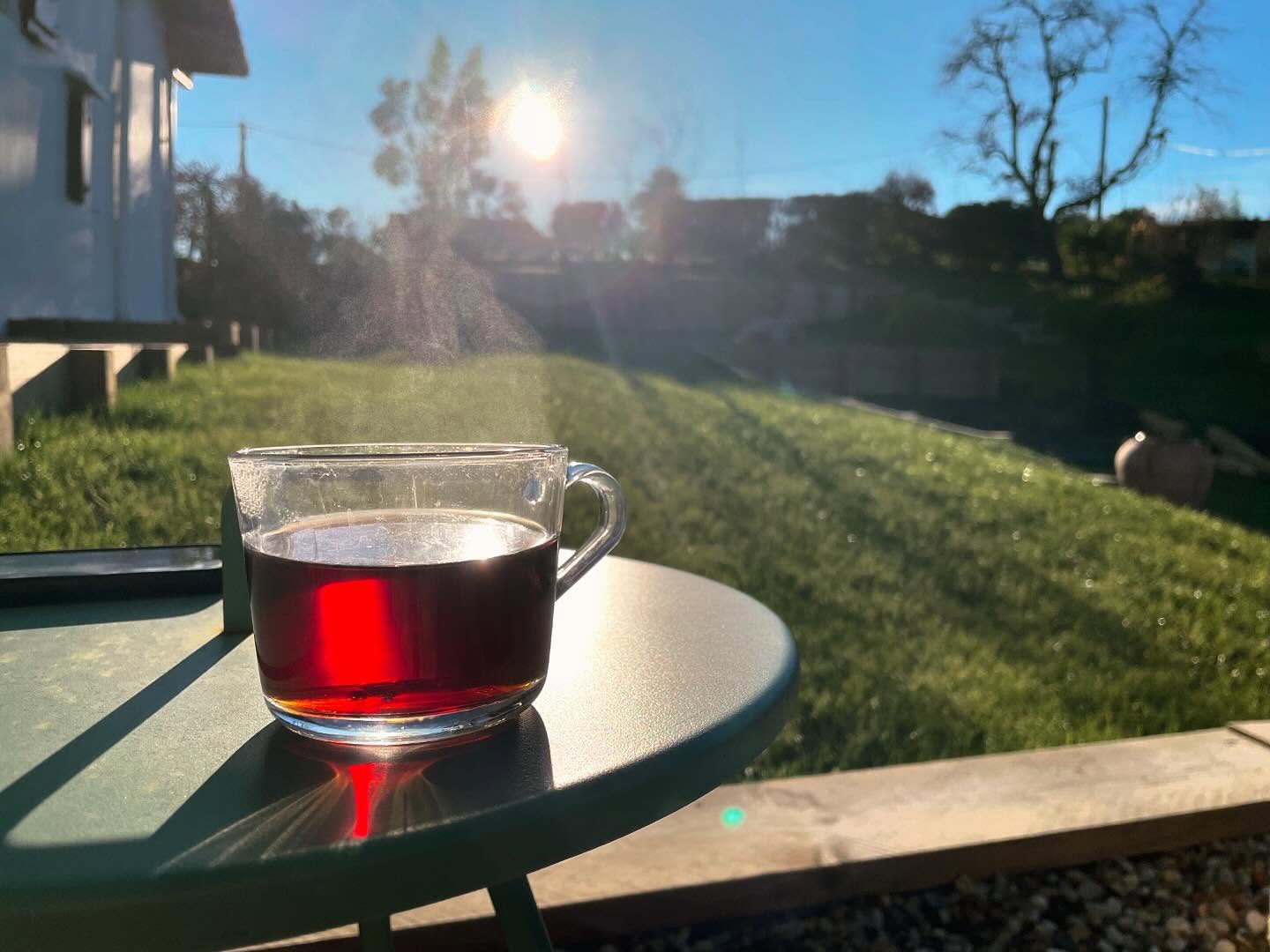
✓ The liquor — clear and limpid. Yellow-green to golden for a young raw, deep brown for a fermented. A cloudy or dull liquor often indicates a defect.
✓ In the mouth — sweetness, thickness, and especially the huí gān (回甘), that sweet aftertaste that rises in the throat after a sip. A good Pu'er leaves a trace; an average tea fades quickly.
✓ Number of infusions — a quality Pu'er easily holds ten steepings in Gongfu Cha. If it exhausts after three or four, the material was ordinary.

The terroir: knowing where your tea comes from
A Pu'er is not just "raw" or "fermented". The mountain it comes from, the altitude, the age of the trees, the producer's know-how: all of this shapes the character of the tea. This is why we work directly with producers from Mengku, Bingdao, and DaXueShan, so that each tea bears the signature of its place.
Identified terroir teas, those whose mountain, village, and sometimes even the tree are known, offer a more transparent experience than a generic blend. It's not just a matter of price: it's a matter of traceability. When you know where your tea comes from, you understand what you are drinking. A Pu'er from ancient trees (gushu) will generally have more depth and endurance — but for a first purchase, a well-made tea at an accessible price will do just fine. The important thing is to start.
Practical questions
What's the budget? A good loose fermented Pu'er starts around 15 to 25 € for 50g — enough for about fifteen sessions. In Gongfu Cha, 5g yield ten to fifteen cups: it's one of the most economical teas to use.
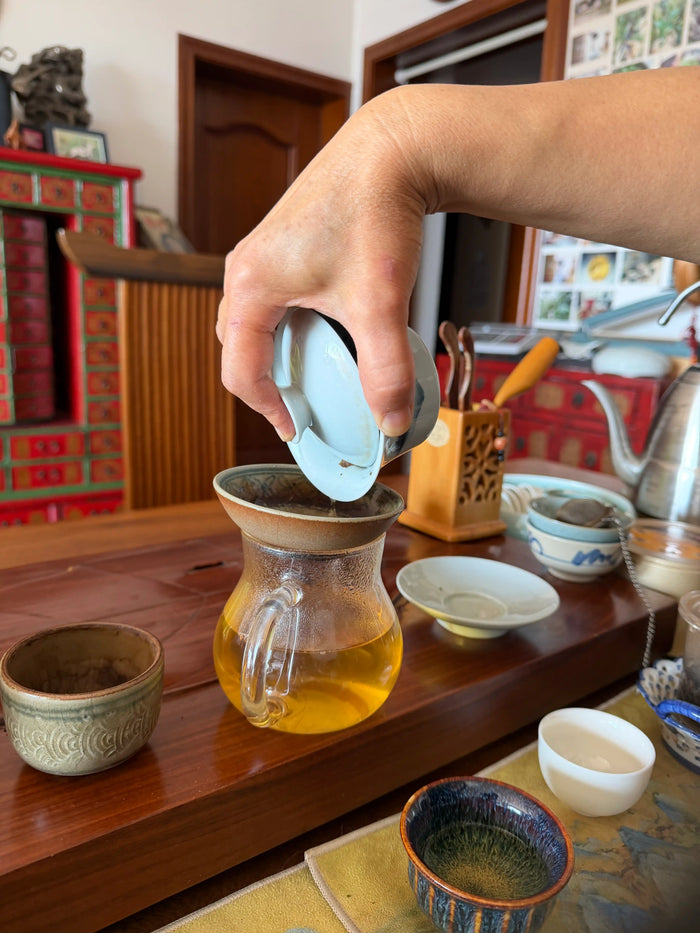
How to prepare it? Simply, a tea infuser or a gaiwan, hot water, short infusions. Everything is in our complete preparation guide and our Gongfu Cha guide.
How to store it? Away from light, strong odors, and excessive humidity. A clean cupboard, away from the kitchen, is sufficient. For more information, see our article on aging and storage.
One last word. Pu'er is a tea learned by drinking, not by reading — even if reading helps. Choose a tea that attracts you, prepare it carefully, and give yourself time to listen to it. The taste will come. Understanding too.
To start: our GongTing Fermented Pu'er
This is often the tea we recommend for a first contact. Hand-sorted GongTing buds, mahogany liquor, silky texture, almost no caffeine: it accompanies all hours of the day without disorienting. Yunnan, Bingdao. 15 € for 50 g.
Discover this teaFrequently asked questions
Which Pu'er to choose when you know nothing about it?
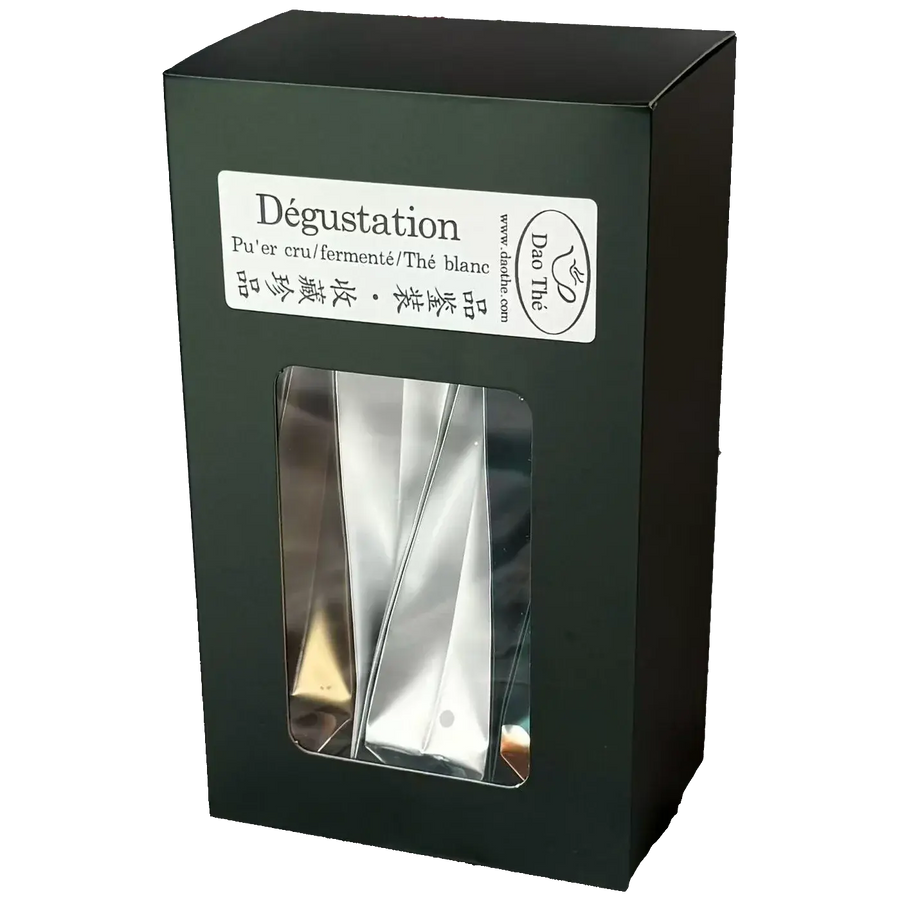
The safest bet is to start with a good quality fermented Pu'er (shou): smooth, round, without bitterness, it's the best Pu'er to start with and almost everyone likes it. A discovery set that offers a raw and a fermented side by side is also an excellent first step. The important thing is not to choose the best, but to taste carefully.
How much should I spend for a good first Pu'er?
A good loose fermented Pu'er starts around 15 to 25 € for 50 grams. In Gongfu Cha, 5 grams are enough for a session of ten to fifteen cups, which brings the cost per cup down to a few cents. An ancient tree Pu'er will be more expensive, but for a first purchase, a well-made tea at an affordable price will do just fine.
Is it better to start with a raw or fermented Pu'er?
It all depends on your palate. Fermented is smooth, earthy, without bitterness: it reassures beginners and black tea lovers. Raw is lively, vegetal, sometimes bitter, but with a freshness and complexity that appeals to those who like clear flavors. There is no objectively good starting point: there is yours. Our article on the difference between raw and fermented can help you decide.