Les Carnets de Daothé
Le geste, le terroir, les saisons du thé du Yunnan, et quelques nouvelles de la maison. Rien de plus, rien de trop.
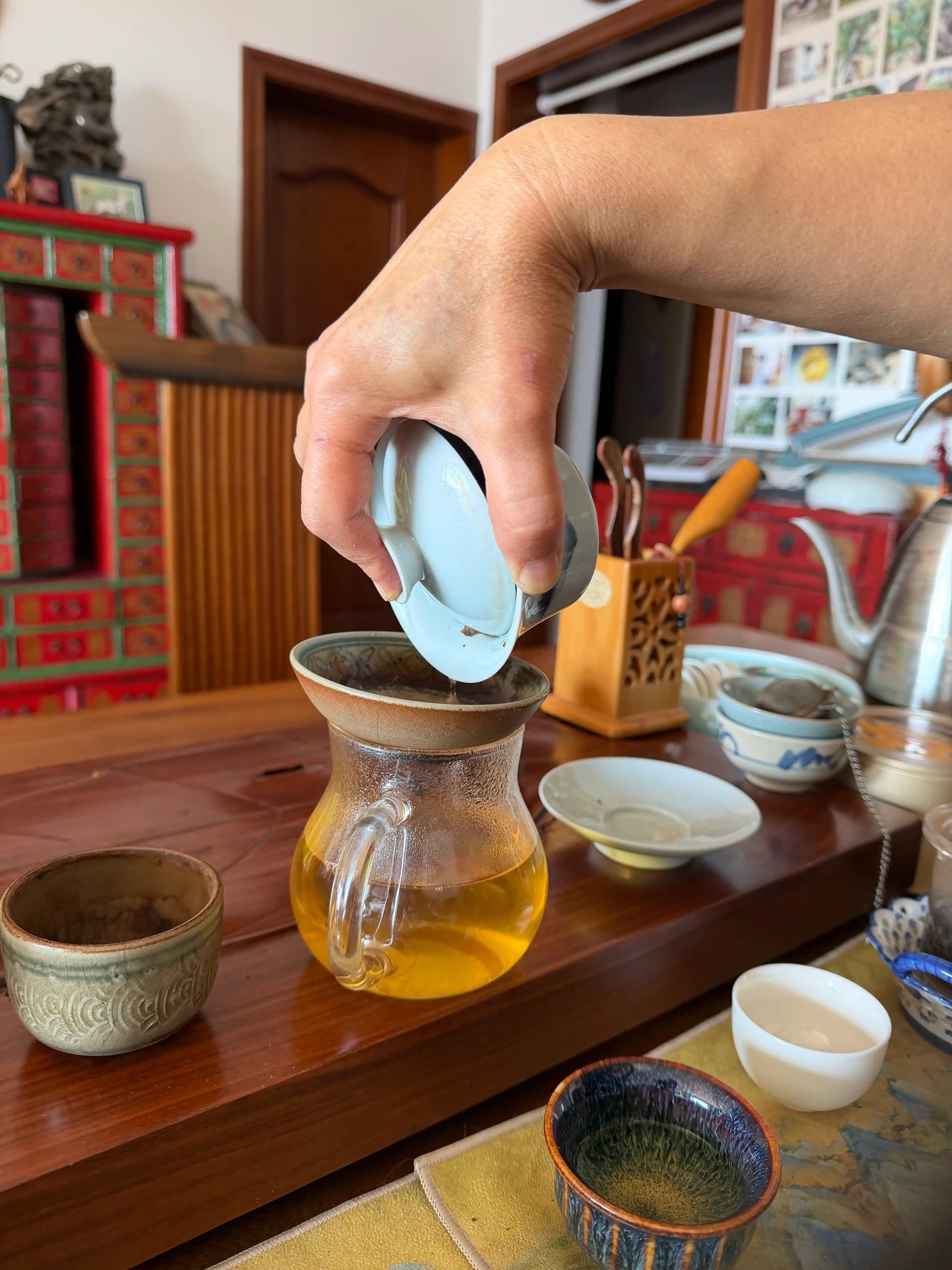
Gongfu Tea: Preparing Pu'er Chinese Style
Gongfu Cha 工夫茶 literally means "making tea with skill." Not a ceremony, not a show: it's a brewing method originating in southern China, which involves steeping a small amount of water with many ...
Lire l'article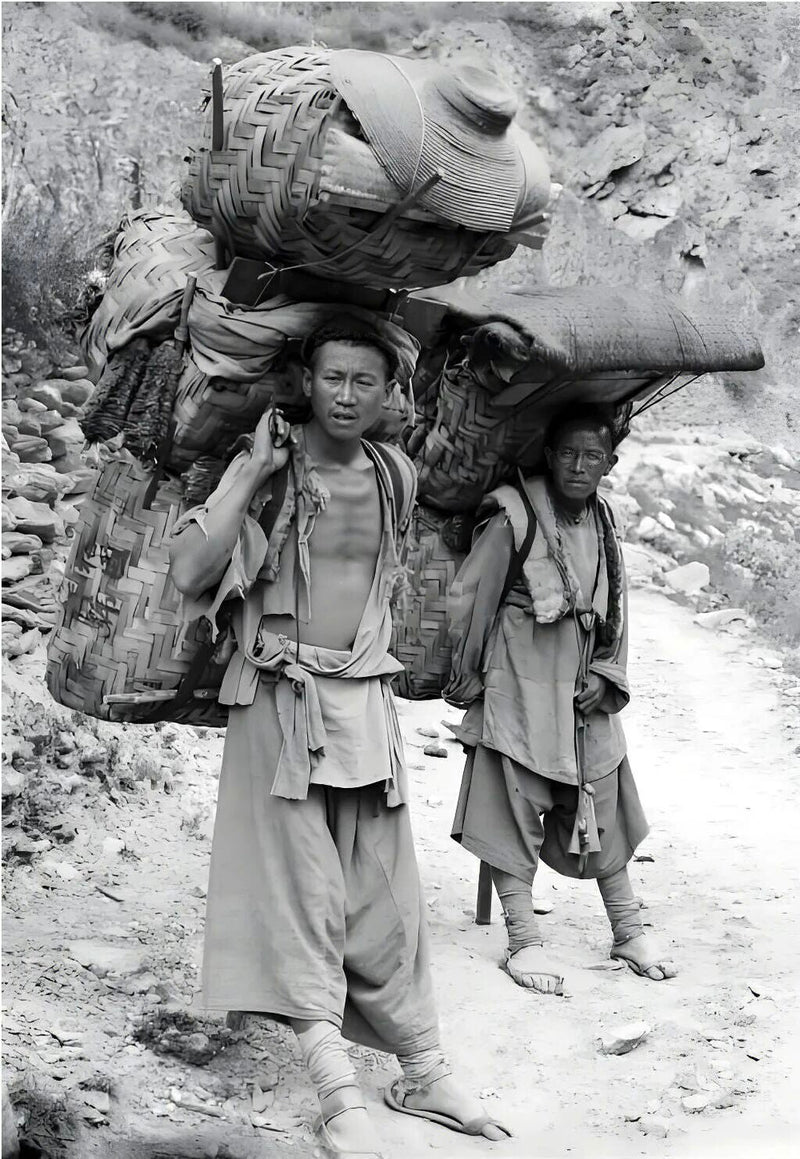
The Ancient Tea and Horse Road: A Brief History of Pu'er
Before trucks, Yunnan tea traveled by mule to Tibet along the Cha Ma Gu Dao, the Ancient Tea Horse Road. This ancient history explains th...
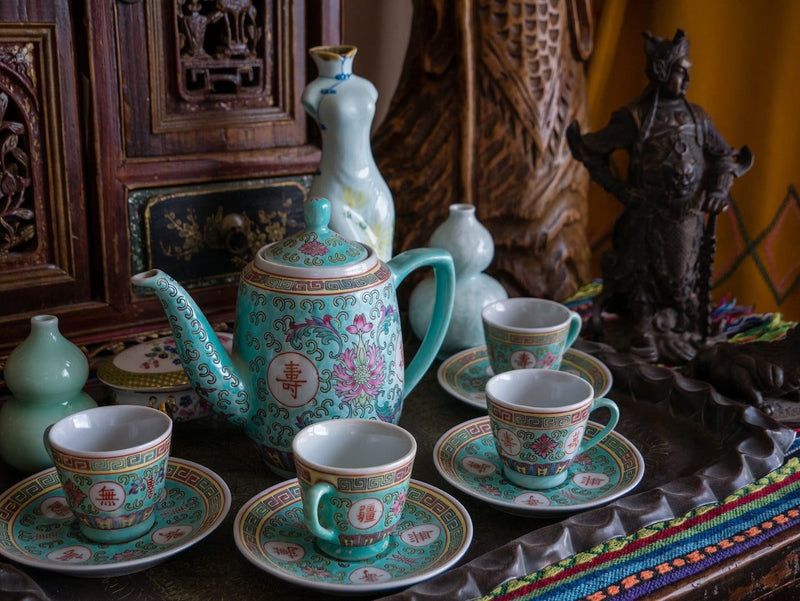
Puerh Glossary: All the Chinese Vocabulary (Pinyin, French, English)
The Complete Pu'er Glossary: all the Chinese characters, Pinyin, French, and English words, from history to tasting. Pu'er, pu'erh, or pu...
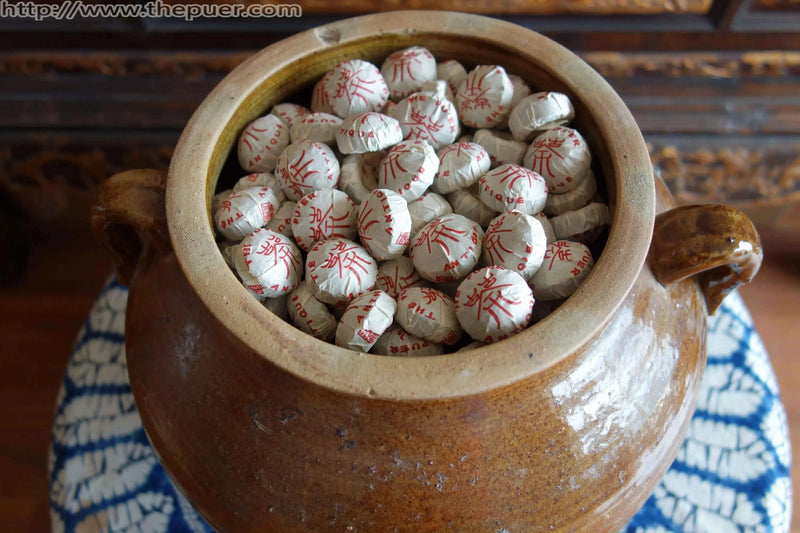
Pu'er shapes: cake, brick, tuo, and loose leaf
Round cake, rectangular brick, bird's nest, mushroom, ball, or simply loose leaf – no other tea in the world comes in as many different...

The terroirs of Pu'er: Mengku, Bingdao, DaXueShan, and the Yunnan Mountains
Mengku, Bingdao, DaXueShan: the great Pu'erh terroirs of Yunnan. Altitude, climate, ancient trees: what makes each mountain unique.

The History of Tea: From its Origins to Today
Five millennia of history, from its botanical cradle in Yunnan to European drawing rooms. The story is told by a Pu'er house, based in th...
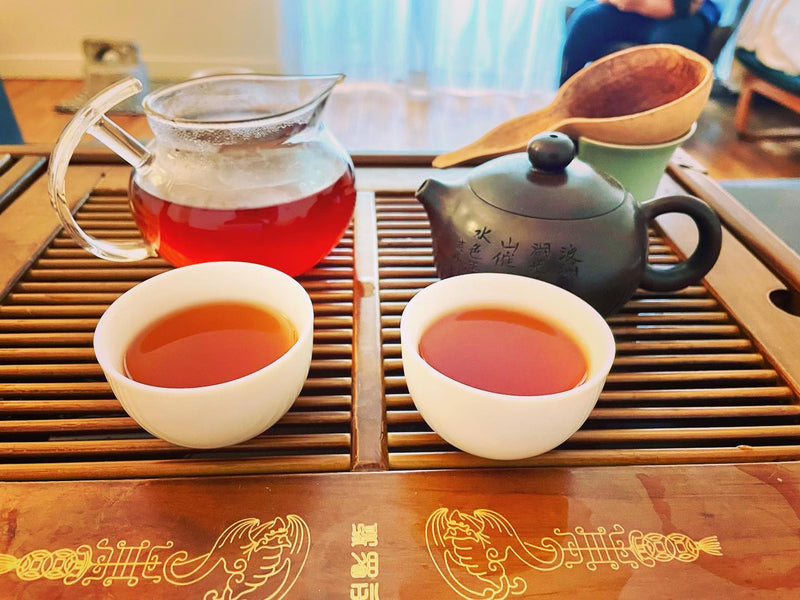
Pu'er, Caffeine, and Theine: What Changes in Our Pu'er Teas
Theine and caffeine are the same molecule. But four factors change everything in a cup: fermentation, the age of the tea plants, the grad...
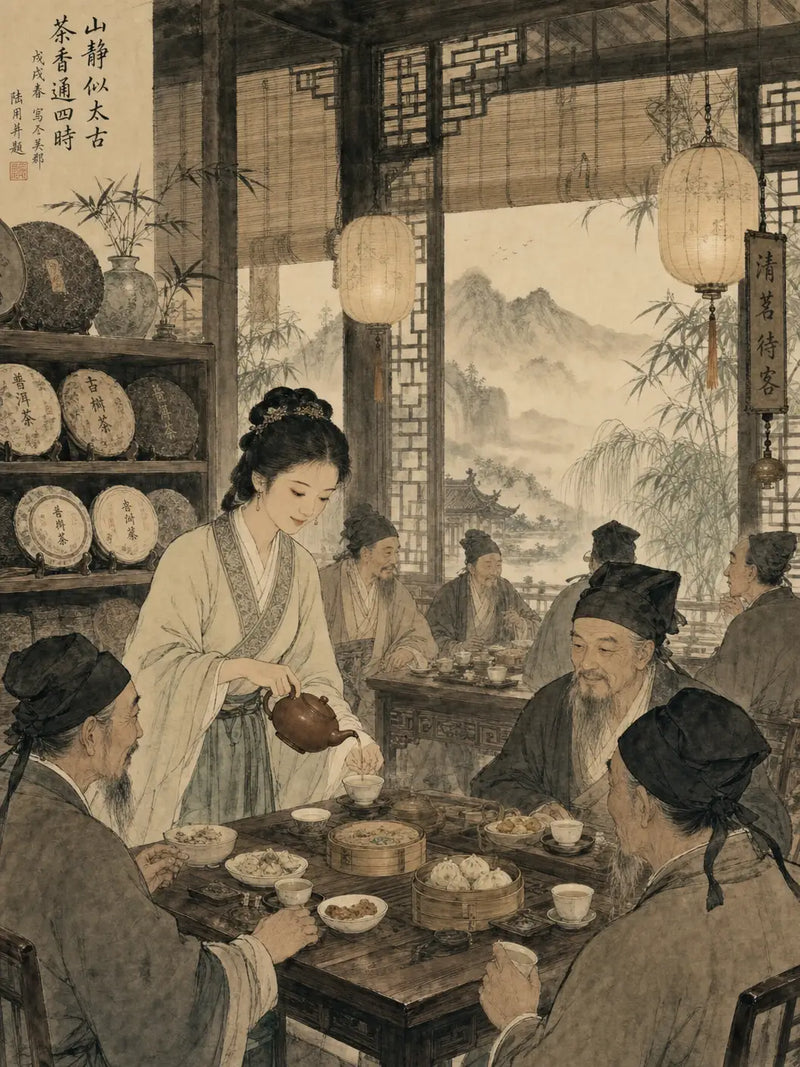
Pu'er and digestion: why our Pu'ers go so well with meals
For centuries, fermented Pu'er has accompanied meals in southern China. Cantonese origin of yum cha, fermentation of leaves, polyphenols ...
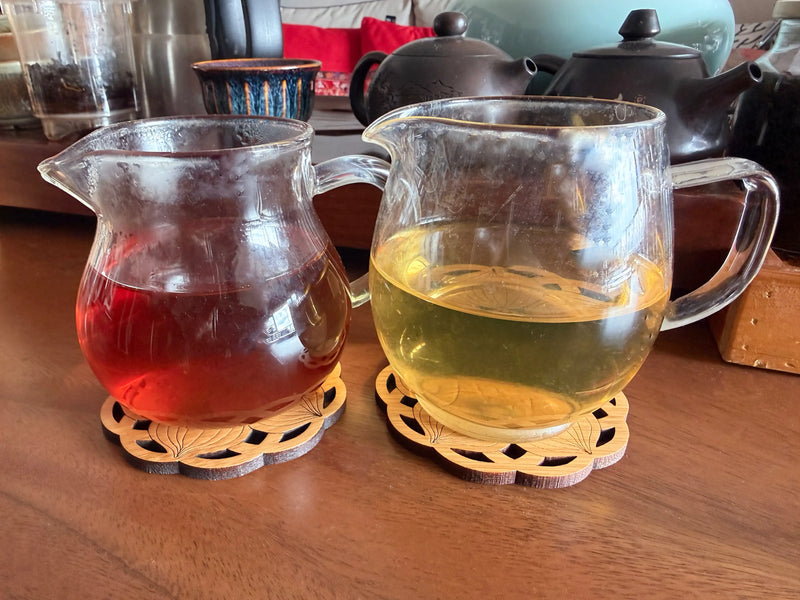
Fermented or Raw Pu'er: How to Choose?
Shou or sheng, fermented or raw: two families of Pu'er, two very different characteristics. A guide to choosing the one that suits you.
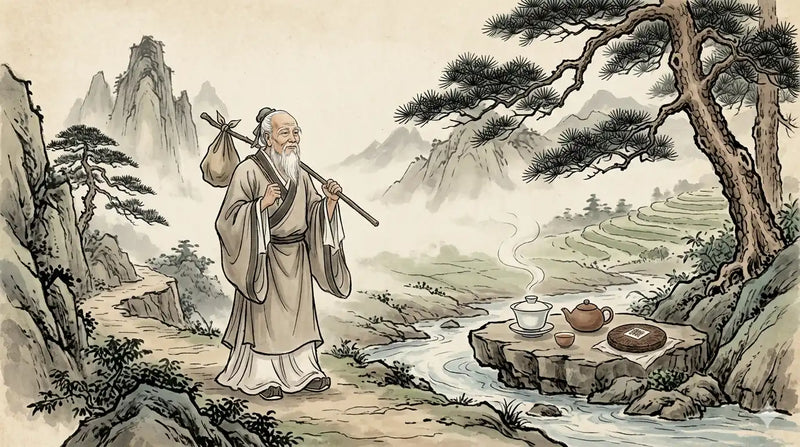
Benefits of Pu'er Tea: What Traditional Chinese Medicine Says
Before becoming a drink of pleasure, tea was a remedy. What traditional Chinese medicine says about Pu'er (pu'erh): origins, uses after m...
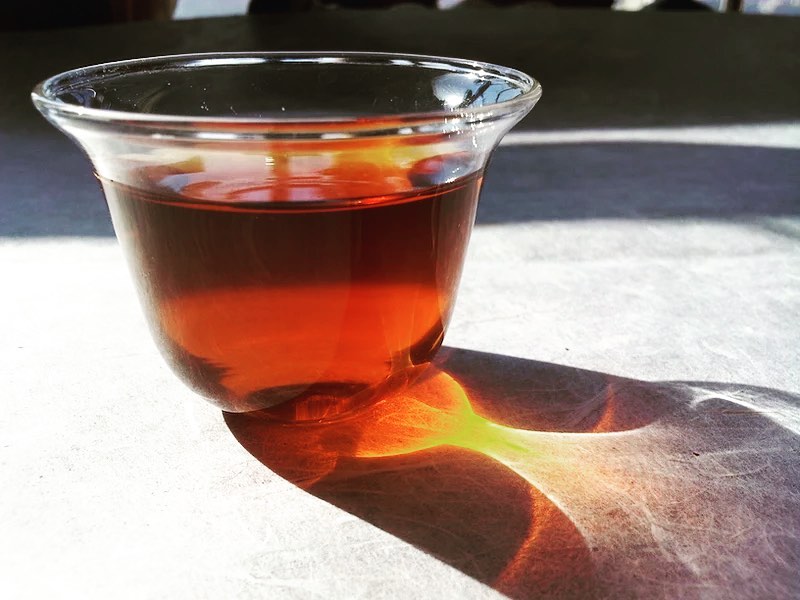
Pu'er and Seasons: Which Tea for Which Moment
In Chinese medicine, each tea has a nature, hot or cool. Which Pu'er (pu'erh) to drink in which season – cool sheng in spring, hot shou i...
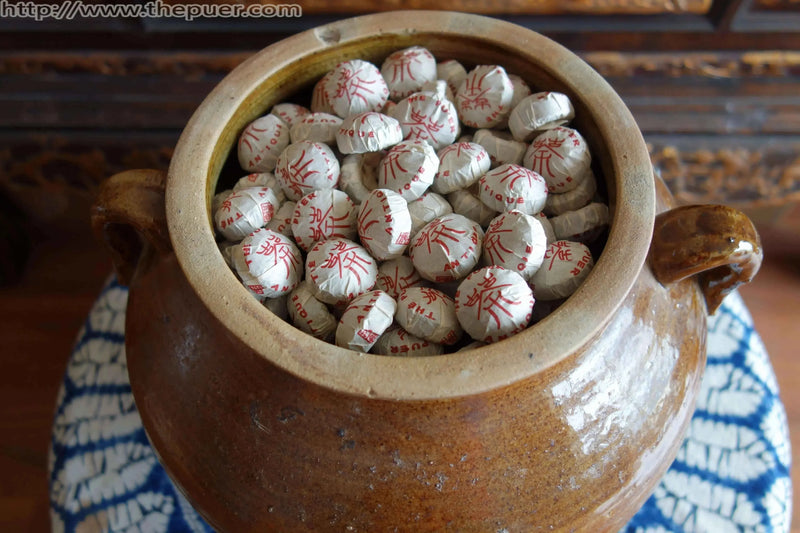
Aging Your Pu'er: Time as an Ingredient
Pu'er is the only tea that improves with age. How it ages, how to store it at home (dry or wet storage), and what changes in the cup, yea...
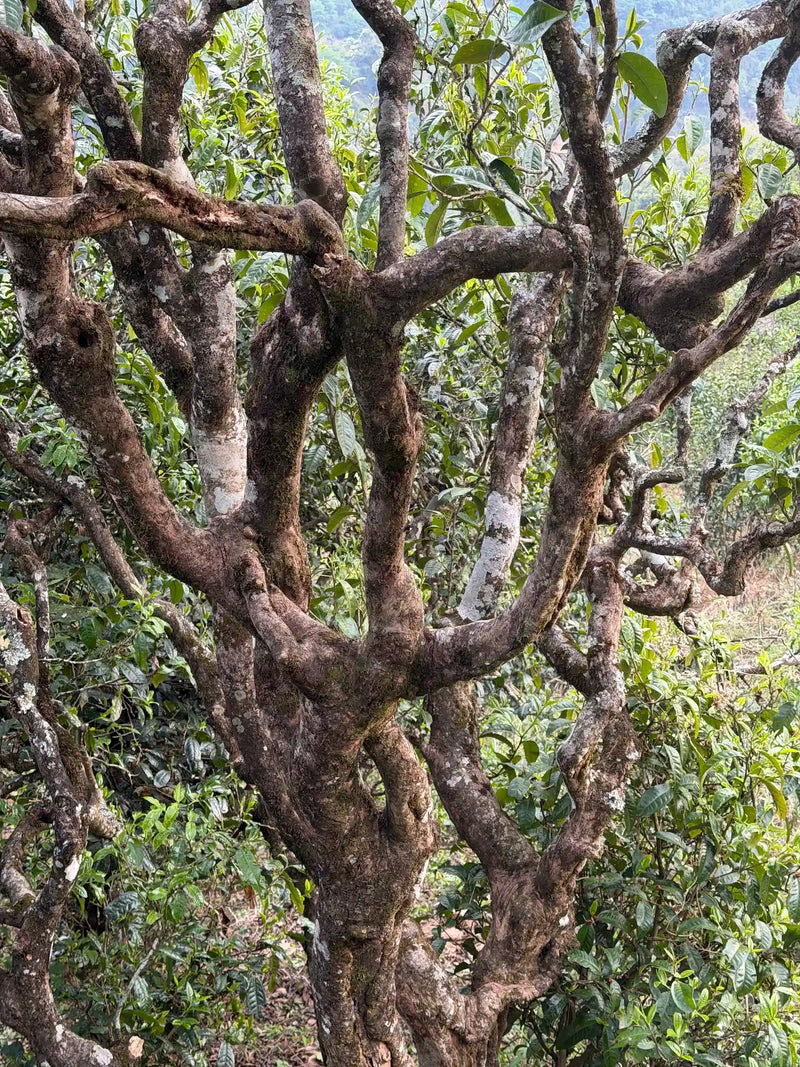
Gushu: What is Ancient Tree Tea?
Gushu means "ancient tree." Why a Pu'er (pu-erh) from deeply rooted old tea trees, forest, hand-picked, has nothing to do with a plantati...
Une lettre, une fois par mois
Recevez les Carnets directement : le geste, le terroir, les saisons du thé du Yunnan.